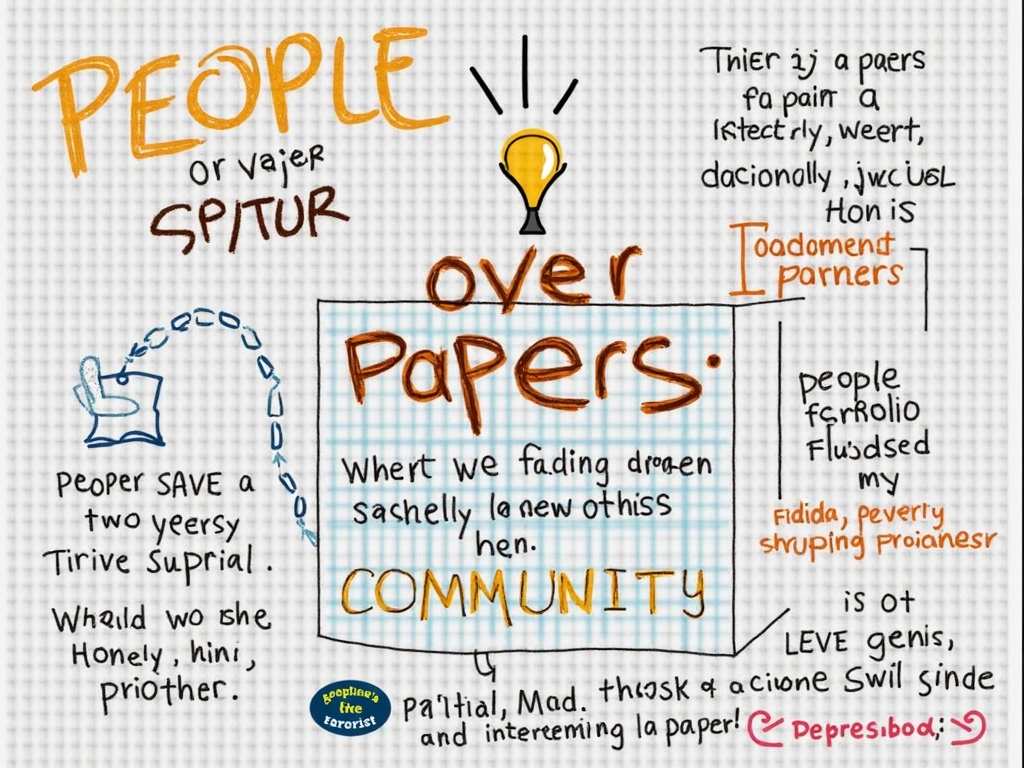
People Over Papers

In today’s fast-paced world, the phrase “people over papers” has become increasingly significant, highlighting the essential value of human connection over paperwork, bureaucracy, and formalities. This philosophy emphasizes that relationships and the well-being of individuals should come first, even in systems often bogged down by red tape. Here’s why prioritizing people is crucial and how it can transform communities and organizations.

The Importance of People-Centric Approaches

  1. Enhanced Collaboration
    When we prioritize people, we foster an environment of collaboration. Individuals feel valued, leading to increased engagement and productivity. Teams built on trust and mutual respect are more likely to innovate and solve problems efficiently.

  2. Stronger Community Bonds
    People-centric initiatives encourage community building. When individuals feel supported and included, they are more likely to contribute positively. Stronger bonds lead to a sense of belonging, which is vital for community resilience.

  3. Improved Mental Health
    A focus on people’s well-being can significantly impact mental health. Workplaces that value employee well-being see lower burnout rates and higher job satisfaction. Prioritizing mental health is crucial for long-term success.

  4. Adaptability in a Changing World
    When organizations place people first, they become more agile. Understanding employee feedback and needs allows businesses to adapt quickly to changing circumstances, whether in market dynamics or societal expectations.

Examples of People Over Papers in Action

Non-Profit Organizations

Many non-profits excel at putting people first. They prioritize community needs over bureaucratic processes, allowing them to respond swiftly to local issues. Their success hinges on building relationships rather than solely focusing on paperwork.

Progressive Companies

Companies like Google and Zappos have embraced this philosophy by creating cultures that prioritize employee happiness and engagement. These organizations understand that happy employees lead to satisfied customers and, ultimately, a thriving business.

Educational Institutions

Schools that prioritize student relationships and individual learning needs over standardized testing often provide better educational outcomes. When educators invest time in understanding their students, they foster a more supportive and effective learning environment.

How to Adopt a People-First Approach

  1. Listen Actively
    Encourage open dialogue. Create channels where individuals can express ideas, concerns, and feedback without fear of judgment.

  2. Encourage Inclusivity
    Foster an inclusive environment where everyone feels valued and heard. Diverse perspectives enhance creativity and problem-solving.

  3. Provide Support
    Focus on well-being programs, flexible work schedules, and mental health resources. Recognizing and addressing individual needs builds loyalty and trust.

  4. Celebrate Achievements
    Highlight individual and team successes, no matter how small. Acknowledging efforts boosts morale and motivation.

Conclusion

The “people over papers” philosophy is not just a catchy phrase; it’s a transformative approach that can reshape communities, workplaces, and lives. By prioritizing relationships, well-being, and inclusivity, we pave the way for more resilient, innovative, and supportive environments. As we navigate a complex world, let’s remember that triumph lies in valuing people over processes, empowering communities, and fostering connections that drive positive change.

By adopting this mindset, individuals and organizations alike can contribute to a brighter, more interconnected future. Let’s place people at the heart of everything we do!

FAQ: People Over Papers

1. What does “People Over Papers” mean?

Answer:
“People Over Papers” emphasizes prioritizing human relationships and individual well-being above formalities, bureaucratic processes, and paperwork. This philosophy advocates that the needs and emotions of people should be at the forefront of decision-making in various settings, from workplaces to communities.

2. Why is prioritizing people important?

Answer:
Prioritizing people fosters a culture of trust, collaboration, and empathy. It enhances engagement and productivity, strengthens community bonds, and improves overall mental health. By focusing on human connections, organizations and communities are more adaptable, resilient, and ultimately more successful.

3. How can organizations implement a people-first approach?

Answer:
Organizations can implement a people-first approach through several strategies:

  • Active Listening: Encourage open communication and actively seek feedback from employees and community members.
  • Inclusivity Initiatives: Create inclusive environments that celebrate diversity and make everyone feel valued.
  • Support Systems: Provide resources for mental health and well-being, such as counseling services and flexible working hours.
  • Celebration of Achievements: Regularly recognize and celebrate the contributions and successes of individuals and teams.

4. Can you provide examples of successful organizations that follow this philosophy?

Answer:
Certainly! Here are a few examples:

  • Google: Known for its employee-friendly policies, Google offers wellness programs, flexible working conditions, and emphasizes a culture of creativity and collaboration.
  • Zappos: This online retailer is famous for its customer service ethos and focus on employee happiness, often prioritizing cultural fit in hiring practices.
  • Non-Profit Organizations: Many non-profits operate by placing community needs above paperwork, allowing them to address issues swiftly and effectively.

5. What are the potential challenges of a people-first approach?

Answer:
While a people-first approach has many benefits, it can also present challenges:

  • Balancing Efficiency and Individual Needs: It may sometimes seem like meeting individual needs can slow down processes.
  • Resistance to Change: Traditional organizations might resist shifting from a paper-based or process-focused culture to a people-centric model.
  • Resource Allocation: Implementing supportive programs may require additional resources and investment, which could be a hurdle for some organizations.

6. How does the “people over papers” philosophy affect mental health?

Answer:
By fostering an environment that values individual well-being and relationships, this philosophy significantly improves mental health outcomes. When employees feel valued and supported, they are less likely to experience stress and burnout, thereby enhancing overall job satisfaction and productivity.

7. How can communities benefit from a people-first approach?

Answer:
Communities that prioritize people over papers can:

  • Strengthen Social Bonds: Enhanced relationships lead to a more connected and supportive environment.
  • Encourage Volunteerism: When individuals feel valued, they are more likely to engage and contribute positively to their communities.
  • Enhance Resilience: Stronger social networks provide support during crises, making communities more resilient.

8. Is the people-first approach applicable in all disciplines?

Answer:
Yes, the principle of prioritizing people can be applied across various disciplines, including business, education, healthcare, and community services. While the methods and specific applications may differ, the core idea of valuing human connections remains universal and beneficial.

9. How can individuals contribute to a people-over-papers culture?

Answer:
Individuals can:

  • Practice Empathy: Actively listen and show understanding toward others.
  • Engage in Community Activities: Get involved in community service or support local initiatives.
  • Advocate for Change: Support policies and practices that prioritize people in their workplace or community.
  • Promote Open Communication: Foster dialogues that celebrate people’s contributions and concerns.

10. Where can I learn more about the “people over papers” philosophy?

Answer:
To delve deeper into this philosophy, consider exploring books on emotional intelligence, leadership, and community-building. Online courses and webinars focusing on organizational culture and community engagement can also provide valuable insights. Engaging with blogs, podcasts, and thought leaders who advocate for people-centric approaches can further your understanding and application of these principles.

By addressing these frequently asked questions, you can help your readers better understand the importance and applications of the “People Over Papers” philosophy.

Leave a Reply

Your email address will not be published. Required fields are marked *

Author

admin@thefinancely.com

Related Posts

SOA OS23

Understanding SOA OS23: A Comprehensive Overview

As the world of technology continues to evolve, the demand for efficient, scalable architectures becomes critical. One such architecture model gaining traction...

Read out all
your topics multiple stories

Your Topics Multiple Stories: The Power of Diverse Narratives

In today’s fast-paced world, storytelling has become a powerful tool for communication, marketing, and education. Whether you are writing a blog, creating...

Read out all
kansas city chiefs dale carter retirement

Kansas City Chiefs Dale Carter Retirement: A Reflection on His Legacy

Kansas City Chiefs Dale Carter Retirement: Dale Carter, a Hall of Fame-caliber cornerback, is best remembered for his exceptional contributions to the...

Read out all
804 Area Code

Understanding the 804 Area Code: A Comprehensive Guide

The 804 area code is a significant part of the telecommunications landscape in the United States, particularly in Virginia. This area code...

Read out all
Titos

The Ultimate Guide to Titos Handmade Vodka: Everything You Need to Know

Titos Handmade Vodka has steadily gained popularity since its inception, becoming a staple in bars and homes alike. With a unique backstory,...

Read out all
Words That Start with X

Words That Start with X: A Comprehensive Exploration

The English language, known for its richness and diversity, has a plethora of words, but few letters have as few entries as...

Read out all