
Hormita
In

If you have stumbled across the word “Hormita” recently, you are not alone. In 2026, search queries for this term have surged, yet finding a clear answer about what it actually means can be confusing.

Is it a food? A beauty trend? A Spanish word? The truth is, Hormita is a linguistic chameleon. Depending on where you look, it refers to a creamy, comforting Latin American dish, or it serves as a trendy brand name for wellness and lifestyle concepts.

In this article, we are going to peel back the layers. We will explore the delicious, steaming-hot culinary definition (the one you want to eat) and touch on the modern cultural meanings. By the end, you will be the expert on everything Hormita.

What is Hormita? The Two Main Definitions

To understand “Hormita,” you have to look at the context. There is a primary, traditional definition rooted in food, and a secondary, modern definition used in branding and digital culture.

1. The Culinary Definition (The Real One)

In the kitchen, “Hormita” is a variant spelling of Humita (pronounced oo-mee-ta). It is a traditional dish from the Andean region of South America, including Argentina, Chile, Peru, Bolivia, and Ecuador.

Think of it as a savory or sweet corn cake. It is made from fresh choclo (maize/corn) ground into a paste, mixed with onions, spices, and sometimes cheese, then wrapped in a corn husk and steamed.

2. The Modern/Conceptual Definition

In the digital world, “Hormita” has taken on a new life. Because it sounds soft and friendly, startups, beauty brands, and bloggers use it as a brand name to represent balance, harmony, and nature. If you see a “Hormita” face cream or a “Hormita” lifestyle blog, it is likely using the word as a symbol for “little ant” (from Spanish hormiga)—implying hard work or small, beautiful things.

Key Takeaway: If you are reading a recipe blog, “Hormita” is food. If you are reading a wellness magazine, it is likely a brand concept.


Deep Dive: The Traditional Hormita (Humita) Recipe

Let’s focus on the delicious version. The Humita is one of South America’s most cherished comfort foods. It dates back to pre-Hispanic times, long before the Spanish arrived.

There are two main ways to eat it:

  1. Humita en Chala (In the Husk): Wrapped in corn leaves and boiled/steamed, similar to a Mexican tamale.

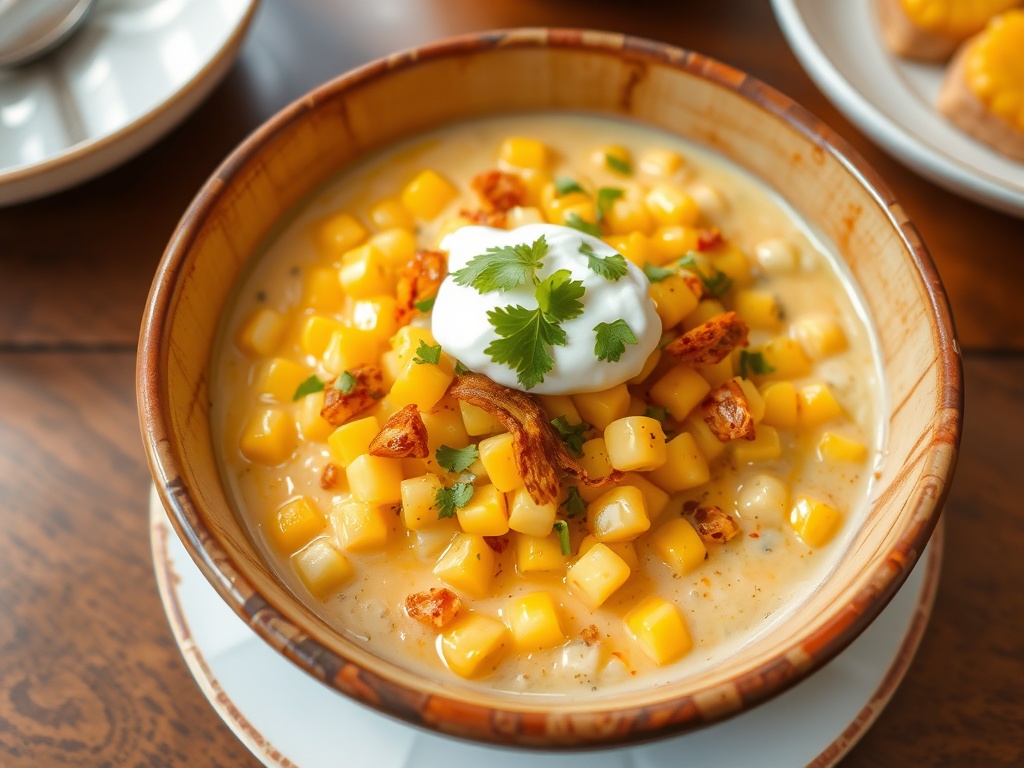
  2. Humita a la Olla (In a Pot): A creamy, casserole-like stew served in a bowl, often topped with cheese.

Regional Variations

  • Argentina: Often includes queso fresco (fresh cheese) and pumpkin, with a specific spice blend of paprika and cumin.

  • Chile: Usually includes basil and butter; served with chopped tomatoes or sugar.

  • Ecuador: Unique because they add eggs and sometimes fry the humita in a pan after steaming.

How to Make Simple “Hormita a la Olla” (Creamy Corn Stew)

If you want to try making Hormita at home, this is the easiest method. You don’t even need corn husks!

Ingredients:

  • 4 cups fresh corn kernels (or high-quality frozen corn)

  • 1 onion, finely diced

  • 1 green bell pepper, diced

  • 1 cup milk or cream

  • 1 tbsp butter

  • 1 tsp paprika (or smoked paprika for a kick)

  • Salt, pepper, and fresh basil to taste

  • Optional: ½ cup grated Parmesan or Mozzarella

Instructions:

  1. Sauté: In a large pot, melt the butter. Add the onion and bell pepper. Cook until soft (about 5 minutes).

  2. Blend: Take 2 cups of the corn and blend them with the milk until smooth.

  3. Combine: Pour the blended mixture into the pot with the remaining whole corn kernels.

  4. Simmer: Cook on low heat for 10-15 minutes, stirring constantly so it doesn’t stick. The mixture will thicken.

  5. Finish: Add the basil, paprika, salt, and pepper. If you want it extra creamy, stir in the cheese until melted.

  6. Serve: Eat it warm as a side dish for grilled meat, or as a main course with a side salad.

Chef’s Tip: If you see a recipe calling for “Hormita” as a specific cheese or shape, it sometimes refers to a “small wheel” of cheese (looking like a little cheese wheel), but 99% of the time, in food contexts, it refers to the corn dish.

Why is “Hormita” Suddenly Trending?

Besides the fact that corn is delicious, the word “Hormita” is gaining traction in 2026 for three specific reasons:

1. The Search for “Quiet” Words

In a loud digital world, people are searching for soft, soothing words. “Hormita” sounds gentle. It is being used as a “blank canvas” word for brands selling calm, nature, and simplicity.

2. The Rise of Latin American Cuisine

As global palates expand, dishes like Humitas, Arepas, and Empanadas are going mainstream. Food bloggers are increasingly writing about “Hormita” as the next “it” comfort food.

3. Linguistic Curiosity

The word is the diminutive of hormiga (ant). People love the imagery of “little ant”—representing community, hard work, and small but mighty actions. It resonates with the minimalist lifestyle movement.

Hormita vs. Humita: Is There a Difference?

Technically, no. Humita is the original Quechua/Spanish spelling. Hormita is a common phonetic misspelling or variant (adding the ‘r’ from hormiga).

However, in modern SEO (Search Engine Optimization), “Hormita” is becoming the dominant search term because it is more unique. If you are looking for a recipe, search for Humita. If you are looking for a brand, search for it.

Frequently Asked Questions (FAQ)

Q: Is Hormita a real place?
A: Generally, no. While some travel blogs use “Hormita” to describe a “dream destination,” there is no famous city called Hormita. It is usually a descriptive term.

Q: Is Hormita a beauty product?
A: Some skincare startups have used “Hormita” as a product line name (referencing “natural balance”), but there is no universal “Hormita oil” or “Hormita cream” standard ingredient.

Q: Is it difficult to make Hormita (the food)?
A: Not at all! The “pot style” is as easy as making creamed corn. The “husk style” takes practice with tying, but the filling is very forgiving.

Q: Can Hormita be sweet?
A: Yes! In Peru and Argentina, they often add sugar, cinnamon, and raisins to the corn mixture to make a dessert version.

Conclusion: Embracing the Hormita Vibe

Whether you are in the kitchen stirring a pot of creamy corn Humita, or you are naming your new wellness brand Hormita, the word carries a beautiful weight.

It represents a connection to the earth (corn), the strength of small things (ants), and the pursuit of balance. So, the next time you see the word, you will know exactly what it means—and you might just be hungry for a taste of the Andes.

Have you ever tried a Humita? Let us know in the comments below!

Leave a Reply

Your email address will not be published. Required fields are marked *

Author

admin@thefinancely.com

Related Posts
Masgonzola
In

Masgonzola: The Internet Mystery That Became a Culinary Delight

Have you scrolled past a word so strange, yet so familiar, that it stopped you mid-scroll? If you’ve encountered “Masgonzola,” you know...

Read out all
Gastrochisis
In

Understanding Gastrochisis: Causes, Symptoms, and Treatment

Gastrochisis is a congenital condition characterized by a defect in the abdominal wall, allowing the intestines and sometimes other organs to protrude...

Read out all