
- 0
- 1,562 word
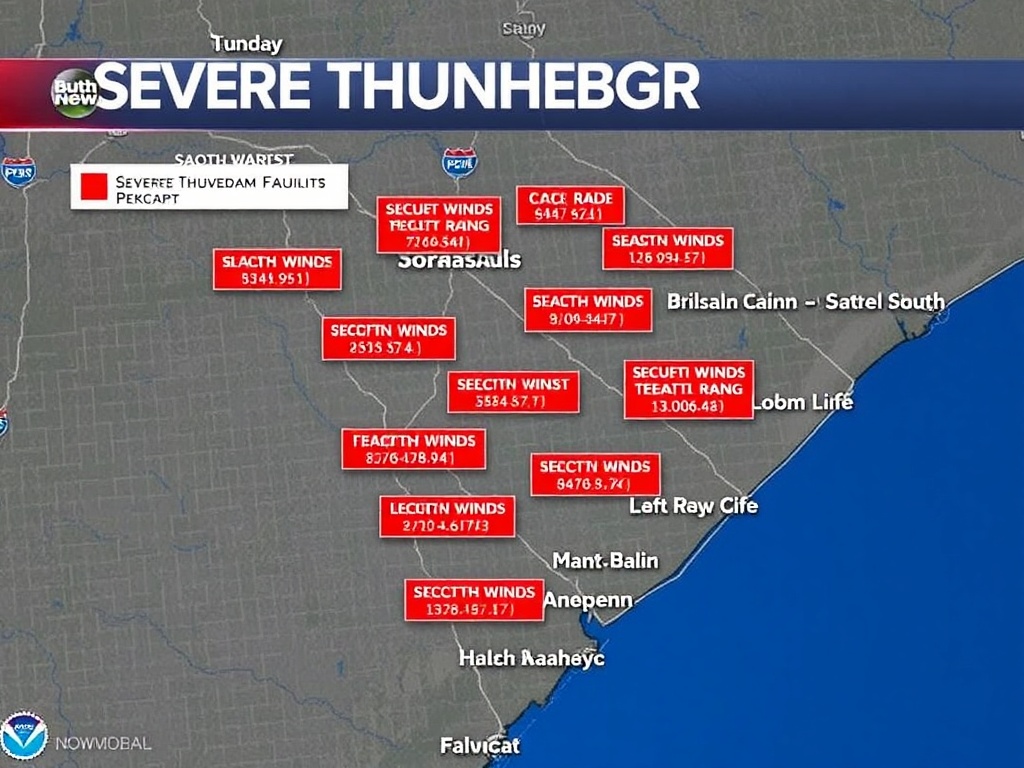
Multiple Severe Thunderstorm Alerts Issued for South Carolina Counties: Severe weather can change quickly—and recently, multiple severe thunderstorm alerts have been issued for South Carolina counties, signaling conditions that may include damaging winds, heavy rain, frequent lightning, and possibly hail. Residents are urged to monitor updates closely and take action before storms intensify.
What’s Behind the Severe Thunderstorm Alerts?
Severe thunderstorm warnings typically mean forecasters have detected or are expecting thunderstorms capable of producing dangerous impacts. In many cases, alerts are triggered when storms show signs such as:
- Strong wind gusts that can damage trees, power lines, and roofs
- Large hail (or hail of any size when storms are especially intense)
- Rapidly developing downpours that increase flash-flood risk
- Frequent lightning and reduced visibility near storm cores
Even if your county isn’t specifically named in every alert, nearby storms can still bring hazards—so staying prepared is key.
Which South Carolina Areas Are Affected?
Multiple alerts across different counties indicate that severe weather may not be confined to a single zone. Instead, storms may be moving along a corridor, impacting county-by-county areas over time.
Important: county boundaries matter for warning issuance. The exact list of counties can update as forecasters refine storm tracks.
✅ Action step: Check the latest warning map for your county and nearby areas, especially if you’re traveling, commuting, or planning outdoor activities.
When to Take Action (Even Before the Storm Hits)
If a severe thunderstorm alert is issued for your area, don’t wait until the first crash of thunder. Consider these practical steps immediately:
- Move indoors
Avoid porches, garages with open doors, and covered carports during peak storm activity. - Secure outdoor items
Patio furniture, trash bins, and decorations can become projectiles in damaging winds. - Protect electronics
Unplug sensitive devices if power flickers or outages occur. - Avoid risky locations
Stay away from windows and avoid using corded electronics during lightning. - Plan for quick shelter
Know where you’ll go if conditions worsen—typically an interior room on the lowest floor.
What Hazards to Watch For During the Storm
Severe thunderstorm impacts don’t always look the same. Keep an eye out for these warning signs:
- Dark, fast-moving storm clouds
- Lightning followed by heavy rain or wind surges
- Fallen branches or debris near roadways (sometimes after a gust front)
- Sudden changes in temperature or wind direction
- Water pooling quickly in low areas or at intersections
If you notice rapidly worsening conditions, treat it as urgent even if the storm still “looks far away.”
Tornado Risk: What to Know
While these alerts are specifically severe thunderstorm warnings, some storms that qualify as severe may also produce tornadoes—especially if a storm shows signs of rotation.
If warnings expand or a tornado warning is issued, upgrade your shelter plan immediately:
- Seek interior shelter away from windows
- Cover your head and neck
- Stay there until officials confirm the threat has passed
How to Stay Updated Safely
Weather updates are most useful when you access them repeatedly during the active period. For reliable information:
- Use a trusted weather app or official alert service
- Follow local emergency management guidance
- Pay attention to Wireless Emergency Alerts (WEAs) on your phone
- Avoid social media rumor cycles—verify through official sources
Tip for readers: Save your county name and surrounding counties in your weather app so you can scan updates fast.
FAQs: Multiple Severe Thunderstorm Alerts for South Carolina Counties (In Detail)
1) What does a severe thunderstorm alert mean?
A severe thunderstorm alert (often called a warning by local weather services) means forecasters believe storms are capable of producing hazardous conditions such as damaging straight-line winds, large hail, heavy rainfall, lightning, and possible flooding. You should treat it as time-sensitive—move indoors, secure belongings, and stay alert for updates.
2) How is a warning different from an “advisory”?
In general:
- Warning = severe conditions are expected or happening and impacts are more likely.
- Advisory = potentially less severe conditions, usually monitor and prepare, but the immediate danger is typically lower.
Your exact wording matters (because each weather service uses specific thresholds), so it’s best to follow the wording shown in your alerts.
3) Which South Carolina counties are affected?
Severe thunderstorm warnings are issued by county (or sometimes by specific geographic zones). If you’re in or near an area listed in the alerts, you should act as if the storm could impact you soon.
Tip: Even if your exact county isn’t listed, nearby counties can still be affected due to storm movement. Check updates for your county and surrounding areas.
4) How long do severe thunderstorm alerts last?
Warnings typically last until:
- The storm has moved out of the warned area, or
- The threat decreases to a non-severe level.
Exact timing varies by storm behavior and how fast forecasts update. You should keep checking alerts during the watch/warning period.
5) What hazards should I expect?
Common hazards include:
- Damaging winds (often the most common severe hazard)
- Hail (ranging from small to large)
- Heavy rainfall that can lead to localized flooding
- Frequent lightning
- Downed trees/power lines and debris in or near roadways
Some storms can also pose a tornado risk, but that depends on the storm’s structure and whether a tornado warning is issued.
6) Does a severe thunderstorm alert automatically mean a tornado?
Not automatically. A severe thunderstorm warning usually focuses on threats like winds and hail. However, some severe storms can also produce tornadoes, especially if rotation is detected.
If you receive a separate tornado warning, treat it as the highest priority—seek shelter immediately.
7) What should I do if the warning is issued for my county?
If a warning is issued, do the following right away:
- Go indoors to a safer room (interior, away from windows).
- Secure outdoor items if there’s time, and don’t wait once impacts begin.
- Avoid using corded electronics during lightning.
- Stay off plumbing (in many safety guidelines) during lightning activity.
- Keep a way to receive updates (weather app, alerts, radio).
8) Where is the safest place inside during a severe thunderstorm?
Generally, the safest place is:
- An interior room on the lowest floor
- Away from windows and doors
- Preferably with sturdy coverage (e.g., hallway or basement area if applicable)
If you have a tornado warning too, the shelter guidance becomes even more urgent—follow the most severe alert instructions.
9) Can I stay in my car during a severe thunderstorm?
It depends on the situation:
- If winds are severe, hail is falling, or lightning is intense, cars are not ideal shelters.
- If you must travel, avoid flooded roads and seek safer shelter when possible.
If hail or heavy debris is expected, prioritize getting to a sturdier indoor location.
10) What should I do about driving during severe storms?
If you see any of the following:
- Rapidly changing weather,
- Low visibility,
- Standing water or flooding,
- Falling branches/hail,
…then delay travel if possible. Severe storms can create sudden hazards faster than you can react.
11) Will heavy rain cause flash flooding?
Yes, severe thunderstorm storms can dump water quickly, especially if storms stall or slow down. Flooding can happen even if it’s not raining everywhere—watch for low-lying areas, streams, and road underpasses.
12) Are power outages likely?
They can be. Damaging winds and lightning can cause:
- Downed power lines
- Tripped breakers
- Local outages
Keep basic supplies ready (flashlight, batteries, water) and avoid downed lines.
13) What about pets—should I bring them inside?
Yes. Pets can be stressed by thunder/lightning and may try to run outside. Bring them indoors and keep them away from windows if possible.
14) What does “frequent lightning” mean in real terms?
Frequent lightning means storms are producing many electrical strikes, which increases the danger of direct strikes and unsafe conditions outdoors. During active lightning, avoid:
- Porches and open garages
- Swimming or showering
- Contact with plumbing and electrical cords (when advised)
15) What if my phone doesn’t get alerts?
You can still prepare by:
- Using a weather app that supports alerts
- Listening to local emergency radio stations
- Checking official local government or weather service websites
- Asking neighbors how they receive alerts if you’re having issues
16) Should I rely on social media weather posts?
Use social media carefully. Posts can be delayed, incorrect, or based on rumors. For action decisions, rely on official alerts, trusted weather apps, and local emergency guidance.
17) What’s the difference between “severe thunderstorm warning” and “severe thunderstorm watch”?
Typically:
- Watch = conditions are favorable for severe storms; you should be ready.
- Warning = severe storms are already happening or are expected very soon; take action now.
Always follow the wording shown in your alert.
18) What if the storm passes—am I still at risk?
Yes, for a short time. Risks can remain after the main thunderstorm core passes, including:
- Debris and downed branches
- Localized flooding
- Ongoing lightning in the broader area
Stay alert for follow-up alerts and watch for road hazards.
19) How can I prepare before severe storms happen?
Before storm season:
- Identify your shelter location
- Keep shoes, a flashlight, and a phone charger ready
- Make a simple emergency plan for family and roommates
- Review what to do for outages (water safety, food safety)
Preparation reduces panic when alerts come quickly.
20) Where can I find the most reliable updates?
Check:
- Your local weather service and alert system
- Emergency management guidance
- Trusted local forecasts and warning maps
For best results, use alerts tied to your county.
Author

admin@thefinancely.com
Related Posts

What “Transds” Truly Means (Beyond Just Teamwork)
- 0
- 1,451 word
It’s easy to confuse Transdisciplinarity with its close cousins. Understanding the difference is key: Multidisciplinary: People from different fields work in parallel, each staying firmly within...
Read out all
Epcylon Explained: The Ultimate Guide to Applications & Benefits in 2026
- 0
- 863 words
In the rapidly evolving landscape of digital transformation, new frameworks and platforms emerge almost daily. However, few generate the quiet yet potent...

Logistics 2026: The Backbone of Global Commerce
- 0
- 810 words
Every product you’ve ever bought—from your morning coffee to your new smartphone—arrived through a hidden web of coordination, timing, and technology. That...
Read out all
SFM Compile: Model Conversion, Rendering & Map Compilation
- 0
- 1,555 word
Source Filmmaker (SFM) is one of the most powerful animation tools available—and it’s completely free. Whether you’re creating cinematic shorts, memes, or...
Read out all
Who is RV Patrick? The Multiple Faces Behind the Name
- 0
- 1,261 word
When you search for “RV Patrick,” you’re not looking for a single person or company. Instead, you’ll discover three distinct stories, each...
Read out all
http://www.arlindmorina.info – Digital Craftsmanship Redefined
- 0
- 930 words
In a digital world saturated with cookie-cutter templates and generic WordPress themes, finding a creative force who blends technical precision with artistic...
Read out all