
- 0
- 804 words
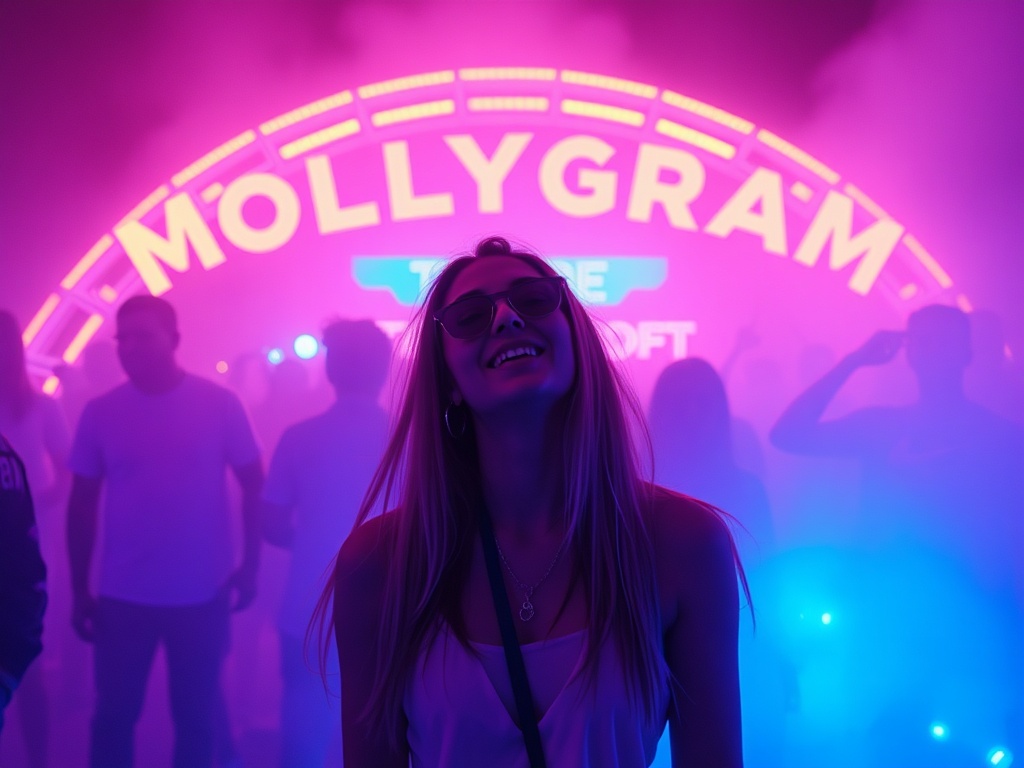
Mollygram is a term that has emerged in social media and messaging contexts to describe a short, often playful multimedia message centered around the drug MDMA (commonly called “molly”) or references to “molly” culture. As online communication blends memes, pop culture, and subcultural language, “mollygram” has come to mean quick visuals, texts, or voice notes that reference the mood, aesthetics, or experience associated with MDMA. This article explains what mollygram typically refers to, where you’ll see it, the cultural and safety implications, and how brands and creators should approach the subject responsibly.
Quick summary (TL;DR)
- Mollygram: short multimedia messages referencing MDMA/molly culture—images, short videos, stickers, or captions communicating the mood or aesthetic.
- Contexts: social platforms (Instagram, TikTok, Snapchat), private messaging, meme communities, nightlife culture.
- Risks: glamorizing drug use, privacy concerns, legal exposure, and mental/physical health risks if taken literally.
- Advice: creators and brands should prioritize harm-reduction messaging, avoid illegal promotion, and respect platform rules.
What people mean by “mollygram”
- Multimedia message: A mollygram might be a vividly colored image, a short looping video, a sticker or GIF, or a voice note that evokes euphoria, connectedness, or sensory intensity—qualities often associated with MDMA use.
- Aesthetic shorthand: It’s a cultural shorthand for a mood (warmth, glow, rave energy), rather than necessarily an instruction to use drugs.
- Social signaling: Sending or posting a mollygram can indicate identification with party, festival, or electronic music scenes.
Where you’ll see mollygrams
- Social apps: Instagram Stories/Reels, Snapchat, TikTok, and ephemeral messaging apps are common places—short, attention-grabbing content fits these formats.
- Festival and nightlife communities: Event pages, fan groups, and DJ or promoter feeds sometimes use mollygram-style imagery to evoke party vibes.
- Meme and subculture spaces: Platforms like Reddit or Discord may host content using the term or imagery.
Why the term spread
- Visual culture: Short-form multimedia is highly shareable; a single image or short clip carrying a recognizable vibe spreads faster than long text.
- Subculture identity: Like other slang, mollygram became a way to quickly signal belonging to certain music or nightlife communities.
- Platform affordances: Stories and short-form video reward vivid, sensory-rich content that matches the mood described by the term.
Potential harms and ethical concerns
- Normalization and glamorization: Casual references can make risky behavior seem safe or ubiquitous. That increases the chance some users—especially younger people—might try drugs without understanding risks.
- Legal and professional risk: Publicly posting or promoting illegal drug use can have consequences for individuals and organizations—moderation, account suspension, or legal scrutiny in some jurisdictions.
- Misinformation: Content that implies certain substances are “pure” or “safe” can be dangerously misleading.
- Privacy and safety: Photos or videos taken at parties can expose bystanders or reveal locations, creating safety and privacy risks.
Responsible approaches for creators and brands
- Avoid promotion: Don’t encourage or facilitate illegal drug use. That includes avoiding messaging that suggests where to obtain substances or how to use them safely.
- Prioritize harm reduction: If you’re addressing drug-related topics, provide evidence-based harm-reduction resources (e.g., testing services, overdose prevention centers where legal, guidance from public-health organizations).
- Use content warnings: When sharing sensitive topics, include clear context and warnings so audiences are prepared.
- Respect platform policies: Social platforms have community guidelines on drug content—review and comply with them.
- Be audience-aware: If your audience includes minors or vulnerable groups, avoid glamorizing references and tailor messaging to protect them.
Public-health perspective and harm reduction
- Testing and purity: Many harms from MDMA stem from unknown purity or contaminants. Public-health organizations often recommend pill or reagent testing services where available.
- Dosage and setting: Harm-reduction advice emphasizes staying hydrated without overconsuming water, avoiding mixing drugs and alcohol, and being with trusted people.
- Medical help: If someone experiences overheating, rapid heartbeat, severe anxiety, or loss of consciousness, seek emergency medical attention; modern medical services treat patients first, legal issues second in many places.
- Trusted sources: Link or refer people to public-health bodies (local harm-reduction groups, Erowid, NHS/CDC-style resources where relevant) rather than anecdotal claims.
Sample FAQ (for FAQ schema)
Q: What does “mollygram” mean?
A: Mollygram refers to a short multimedia message or post that evokes MDMA (“molly”) culture—images, videos, or captions that convey the mood or aesthetic associated with the drug.
Q: Is a mollygram illegal?
A: A mollygram as an image or message is not inherently illegal, but content that promotes or facilitates illegal drug distribution or use can create legal issues and violate platform policies.
Q: How should brands handle mollygram-related content?
A: Brands should avoid glamorizing drug use, follow platform rules, and consider harm-reduction messaging if addressing drug-related topics.
Q: Where can I learn more about MDMA safety?
A: Look for local public-health or harm-reduction organizations, and authoritative sources like government health sites. In places with legal services, pill-testing and overdose-prevention resources are recommended.
Author

admin@thefinancely.com
Related Posts
Dirtyroulette: A Comprehensive Guide to Anonymous Video Chat
- 0
- 1,439 word
In the vast landscape of online communication, the demand for anonymity and spontaneity has given rise to a niche category of platforms...
Read out allSflix: Your Gateway to Unlimited Streaming
- 0
- 1,203 word
In today’s digital age, streaming services have become the go-to source for entertainment. Among the emerging platforms in this arena is Sflix,...
Read out all
The Ultimate Guide to Mewing: Transform Your Jawline Naturally
- 0
- 1,180 word
Mewing has gained popularity as a natural technique to improve jawline aesthetics and facial structure. Developed by Dr. John Mew and his...
Read out all
Reelzone: What You Need to Know Before Visiting This Streaming Site
- 0
- 690 words
In the world of free streaming platforms, new sites appear regularly—and disappear just as fast. One name that has been circulating recently...
Read out all
Salt & Stone Review: Is This Natural Deodorant Worth It?
- 0
- 1,176 word
In the ever-expanding world of clean beauty, finding a brand that balances efficacy, aesthetic, and ethical formulation can feel like searching for a...
Read out all
McDVoice: Turn Your Receipt into Free Food
- 0
- 994 words
We’ve all been there: you finish your meal at McDonald’s, crumple up the receipt, and toss it in the nearest trash can....
Read out all