
- 0
- 1,117 word
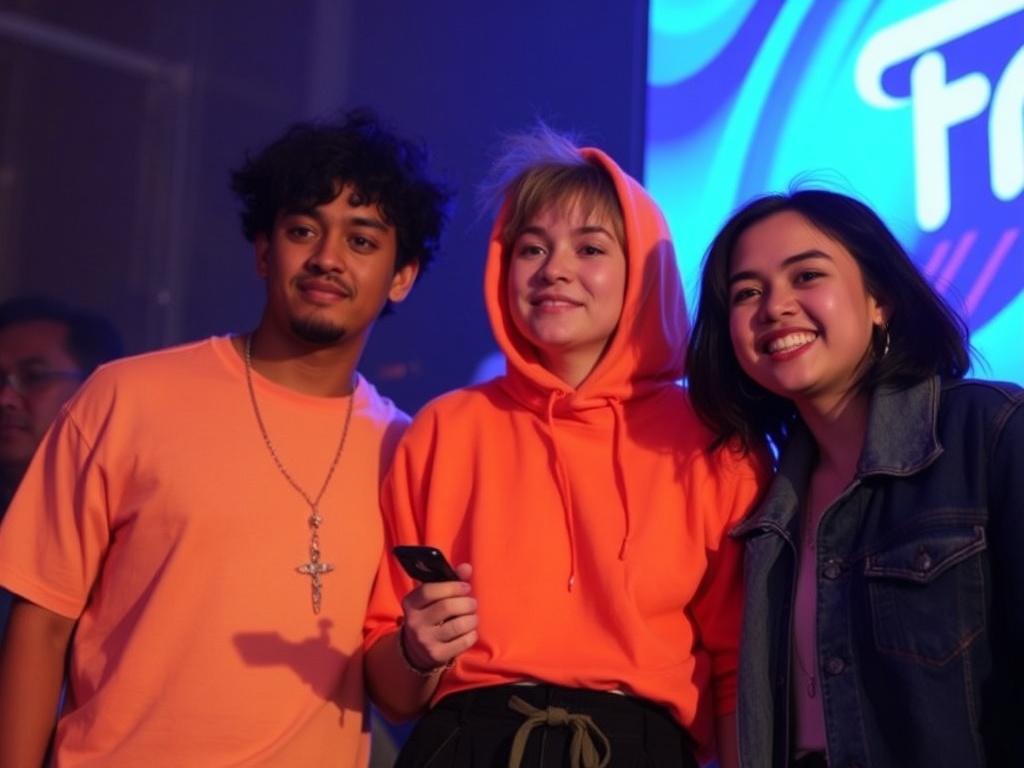
In recent years a new term — frehf — has begun appearing across social media, pop culture commentary, and academic discussions. Though its origins are debated, frehf functions as more than a word: it’s a cultural signal, a set of behaviors, and a lens for interpreting contemporary social dynamics. This article explains what frehf is, traces its emergence, explores how it shapes media and identity, and highlights practical implications for creators, brands, and everyday people.
What is frehf?
At its core, frehf refers to a cultural mode that blends authenticity, curated vulnerability, and playful reinvention. It’s a portmanteau-like concept (imagined as shorthand for “fresh + rehflective” or “free + riff + hybrid”), signaling:
- Authentic performance: an attempt to appear genuine while still performing for an audience.
- Refracted identity: a self that is intentionally mutable, mixing personal truth with deliberate edits.
- Conversational remix: frequent reuse and playful transformation of cultural fragments (memes, slang, micro-stories).
Frehf is less a fixed identity and more an ongoing practice: people use frehf to navigate attention economies, sustain online relationships, and express individuality while remaining relatable.
Origins and cultural emergence
Although frehf lacks a single origin story, its rise reflects broader sociocultural shifts of the 2010s and early 2020s:
- Platform dynamics: Short-form video apps and algorithmic feeds reward quick, emotionally resonant bits of content — ideal conditions for frehf-style expression.
- Economic incentives: Influencer economies encouraged a blend of transparency (to build trust) and branding (to monetize), producing hybrid performances.
- Aesthetics of imperfection: Audiences began valuing curated imperfection — staged but believable moments — which dovetailed with frehf’s ethos.
- Remix culture: The normalization of sampling, memeing, and borrowing across online communities created a language ready for frehf’s playful recombination.
How frehf shows up in modern culture
Personal branding and influencers
Influencers adopt frehf to craft approachable personas. Posts highlight personal struggles or behind-the-scenes moments alongside polished images — the message: “I’m real, but I’m also a brand.” Followers respond to this blend because it lowers barriers while preserving aspirational elements.
Media and entertainment
TV shows, podcasts, and music increasingly reflect frehf sensibilities: characters who are self-aware and performative, storytelling that blends documentary and fiction, and marketing that invites audiences into the creative process. This blurred line between “real” and “staged” becomes part of the appeal.
Language and slang
Frehf fuels slang that’s playful, flexible, and often self-referential. Phrases born in small online communities can spread widely — then be adapted regionally or industry-specifically — exemplifying frehf’s remix culture.
Activism and civic life
Activists sometimes use frehf techniques to broaden reach: combining personal narrative with viral formats to humanize issues while optimizing for shareability. While this can amplify causes, it also raises questions about sincerity and performativity.
Cultural impacts — positives and concerns
Positive impacts
- Increased emotional openness: Frehf encourages sharing vulnerability, which can reduce isolation and normalize mental health conversations.
- Creative remixing: The culture rewards playful experimentation and cross-pollination between communities, leading to novel art forms and collaborations.
- Lowered barriers to entry: People feel empowered to participate in cultural production with imperfect tools and candid voices.
Concerns and critiques
- Sincere vs. performative: When authenticity becomes a strategy, it’s harder to distinguish genuine expression from calculated branding.
- Attention economy pressures: Continuous self-presentation can foster burnout and anxiety, especially for creators who must maintain a frehf persona.
- Commodification of identity: Marginalized experiences can be flattened into consumable content, losing nuance when repackaged for engagement.
- Ephemeral meaning: Rapid remixing risks diluting original cultural messages or creating confusion around intent.
Why frehf matters for brands, creators, and communities
- For brands: Frehf suggests consumers value relatability combined with aspiration. Brands that authentically demonstrate values — through behind-the-scenes content, candid storytelling, or co-creation with audiences — can tap into frehf’s appeal. But they must avoid seeming opportunistic: transparency has to be real, not merely performative.
- For creators: Adopting frehf can grow engagement by balancing polish and vulnerability. Sustainable success requires boundaries — preserving private life, diversifying income, and clearly signaling sponsored content — to avoid ethical pitfalls and burnout.
- For communities and civic actors: Frehf-style formats can magnify messages and humanize issues. However, organizers should prioritize context, deep storytelling, and long-term relationship-building so that moments of virality translate into meaningful outcomes.
Practical tips: Navigating frehf responsibly
- Be intentional about authenticity: Share personal stories with care and avoid using trauma as clickbait.
- Signal sponsorship and editing: When content is staged or sponsored, disclose it clearly to maintain trust.
- Center voices, don’t extract them: If using community narratives, give credit, compensate contributors, and maintain context.
- Limit exposure: Creators and consumers alike should set boundaries — digital sabbaths, private diaries, or separate channels for intimate content.
- Experiment mindfully: Use frehf techniques for creative exploration, but check whether the outcome respects people and messages involved.
Examples that illustrate frehf
- A musician posting unpolished songwriting clips on Stories, then releasing a polished single — inviting fans into the creative arc.
- A nonprofit pairing a short first-person video with clear action steps and durable resources, balancing viral reach with tangible impact.
- A micro-influencer sharing candid reflections on work-life balance while also maintaining a curated aesthetic feed.
Future directions
Frehf will likely evolve as platforms change and cultural norms shift. Potential trajectories:
- Institutionalization: Brands and media may formalize frehf-like aesthetics into mainstream advertising and storytelling conventions.
- Backlash and recalibration: Audiences may grow fatigued with staged authenticity, sparking renewed interest in fully private or radically transparent practices.
- Hybrid innovations: New formats (interactive storytelling, decentralized social networks) could let frehf become more participatory and less top-down.
Conclusion
Frehf captures a defining tension of modern culture: the desire for authenticity lived inside an attention economy that rewards editability and performance. Understanding frehf helps creators, brands, and citizens navigate contemporary media with greater nuance — taking advantage of its creative possibilities while remaining mindful of the ethical and emotional costs. Whether frehf endures, mutates, or fades, its influence reveals how identity, storytelling, and community are negotiated in our digital age.
Frequently asked questions (FAQ)
Q: Is frehf a real word or a fad?
A: Frehf is best understood as a cultural construct or shorthand for a set of behaviors and aesthetics. Whether it’s a long-term shift or a passing trend depends on how platforms, audiences, and institutions evolve.
Q: How can creators use frehf without seeming inauthentic?
A: Be selective about what you share, explain context, disclose partnerships, and prioritize long-term relationships with your audience over short-term virality.
Q: Does frehf harm mental health?
A: It can contribute to stress and comparison fatigue if people feel pressured to perform constantly. Setting boundaries and practicing intentional sharing can mitigate harms.
Q: Can brands adopt frehf safely?
A: Yes — if they genuinely align messaging with actions, avoid exploiting vulnerable stories, and treat transparency as a principle rather than a tactic.
Author

admin@thefinancely.com
Related Posts
Dirtyroulette: A Comprehensive Guide to Anonymous Video Chat
- 0
- 1,439 word
In the vast landscape of online communication, the demand for anonymity and spontaneity has given rise to a niche category of platforms...
Read out allSflix: Your Gateway to Unlimited Streaming
- 0
- 1,203 word
In today’s digital age, streaming services have become the go-to source for entertainment. Among the emerging platforms in this arena is Sflix,...
Read out all
The Ultimate Guide to Mewing: Transform Your Jawline Naturally
- 0
- 1,180 word
Mewing has gained popularity as a natural technique to improve jawline aesthetics and facial structure. Developed by Dr. John Mew and his...
Read out all
Reelzone: What You Need to Know Before Visiting This Streaming Site
- 0
- 690 words
In the world of free streaming platforms, new sites appear regularly—and disappear just as fast. One name that has been circulating recently...
Read out all
Salt & Stone Review: Is This Natural Deodorant Worth It?
- 0
- 1,176 word
In the ever-expanding world of clean beauty, finding a brand that balances efficacy, aesthetic, and ethical formulation can feel like searching for a...
Read out all
McDVoice: Turn Your Receipt into Free Food
- 0
- 994 words
We’ve all been there: you finish your meal at McDonald’s, crumple up the receipt, and toss it in the nearest trash can....
Read out all