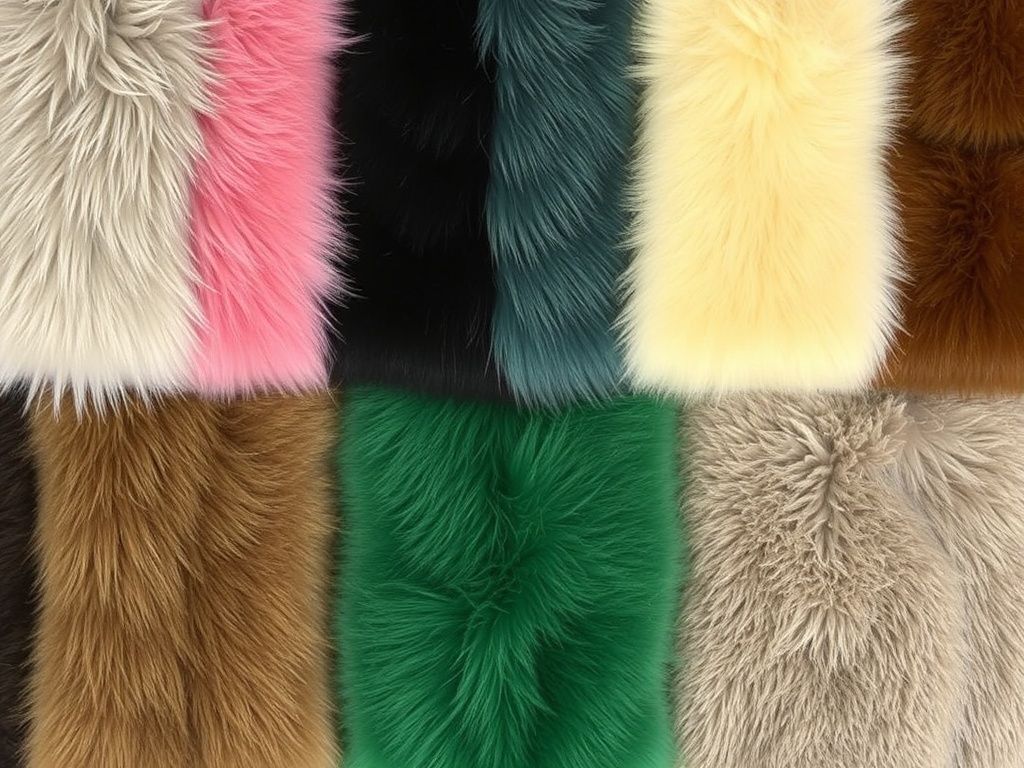
Zuschneidfelle

In the world of crafting, upholstery, and fashion, Zuschneidfelle (cutting furs) play a pivotal role. They serve as essential materials for designers, artisans, and hobbyists alike. This article delves into the various facets of Zuschneidfelle, exploring their types, uses, benefits, and care tips.

What are Zuschneidfelle?

Zuschneidfelle are specifically designed cutting furs that come from different animals. These materials vary in texture, thickness, and durability. In regions where crafting and textile production are prominent, Zuschneidfelle are highly sought after for their ability to enhance the aesthetic appeal of products.

Types of Zuschneidfelle

  1. Natural Furs:
    • Fox Fur: Known for its soft texture and vibrant colors, perfect for high-end fashion items.
    • Rabbit Fur: Lightweight and versatile, frequently used for linings and smaller accessories.
    • Mink Fur: Renowned for its luxurious feel and sheen, often found in premium garments.
  2. Synthetic Furs:
    • Acrylic Fur: Offers a budget-friendly alternative to natural fur, vibrant and easy to maintain.
    • Polyester Fur: Durable and resistant to wear, making it a popular choice for mass-produced items.

Uses of Zuschneidfelle

Zuschneidfelle are incredibly versatile and can be utilized in various applications, including:

  • Fashion Design: Used in coats, jackets, scarves, and hats to enhance warmth and style.
  • Upholstery: Applied to furniture and home decor, adding a touch of luxury and comfort.
  • Craft Projects: Ideal for DIY enthusiasts looking to create unique pieces, from toys to accessories.

Benefits of Using Zuschneidfelle

1. Aesthetic Appeal

One of the standout features of Zuschneidfelle is their luxurious appearance. They can transform ordinary items into stunning masterpieces, appealing to consumers seeking quality and elegance.

2. Durability

High-quality Zuschneidfelle are known for their longevity. When properly cared for, they withstand wear and tear, making them a worthwhile investment for any project.

3. Versatility

Whether for fashion, home decor, or craft projects, Zuschneidfelle offer a wide range of possibilities. With various colors and textures available, there’s a suitable option for every creative endeavor.

Caring for Zuschneidfelle

To maintain the beauty and longevity of t, proper care is essential. Here are some tips:

  1. Regular Cleaning: Use a soft brush to remove dust and debris. For deeper cleaning, consult a professional fur cleaner.
  2. Avoid Moisture: Keep Zuschneidfelle away from water to prevent damage. If wet, pat dry and allow to air dry naturally.
  3. Proper Storage: Store in a cool, dry place away from direct sunlight. Use breathable garment bags for clothing items.

Conclusion

Zuschneidfelle are an invaluable resource for anyone involved in crafting, fashion, and design. Their unique properties and wide range of uses make them a staple in many creative projects. Whether you are a seasoned professional or a hobbyist, understanding the intricacies of Zuschneidfelle can enhance your work and creativity.

This guide equips you with the knowledge to choose, utilize, and care for Zuschneidfelle effectively.

Happy crafting!

FAQs About Zuschneidfelle

1. What are Zuschneidfelle?

They are specialized cutting furs that artisans use in various crafts, fashion design, and upholstery. You can make them from natural animal furs or synthetic materials, offering a range of textures, colors, and qualities suited for different applications.

2. What types of Zuschneidfelle are available?

Natural Furs

  • Fox Fur: Soft, vibrant colors; great for outerwear.
  • Rabbit Fur: Lightweight and versatile; commonly used for linings and accessories.
  • Mink Fur: Luxurious feel, often used in high-end garments.

Synthetic Furs

  • Acrylic Fur: Affordable and vibrant; popular among DIY enthusiasts.
  • Polyester Fur: Durable and easy to maintain; ideal for mass-market products.

3. What are the primary uses of Zuschneidfelle?

They are used in various fields:

  • Fashion Design: For coats, jackets, accessories like scarves and hats.
  • Upholstery: In furniture and home decor, creating a luxurious atmosphere.
  • Craft Projects: For toys, costumes, and other DIY endeavors.

4. How do I choose the right Zuschneidfelle for my project?

Consider the following:

  • Purpose: Determine whether you’re creating clothing, decor, or crafts.
  • Texture: Choose a fur that suits the feel you’re going for (soft, durable, etc.).
  • Color and Pattern: Select based on your project’s aesthetic requirements.
  • Budget: Natural furs are typically more expensive than synthetic options.

5. How do I care for Zuschneidfelle?

Cleaning

  • Regular Maintenance: Brush the fur with a soft brush to remove dust.
  • Professional Cleaning: For deep cleaning, take it to a professional fur cleaner.

Avoiding Damage

  • Moisture: Keep away from moisture; if wet, dab with a dry cloth and air dry.
  • Heat: Avoid direct sunlight and heat sources to prevent drying and fading.

Storage

  • Cool, Dry Place: Store away from humid areas and direct sunlight.
  • Breathable Bags: Use cloth garment bags instead of plastic to prevent mildew.

6. Can Zuschneidfelle be used for pet products?

Yes, it can be utilized in creating elegant and cozy pet products, such as blankets, beds, and toys. Ensure that the materials used are safe and suitable for pets.

7. Are there ethical concerns regarding the use of natural Zuschneidfelle?

Yes, ethical concerns exist surrounding the sourcing of natural furs. Many consumers prefer synthetic options due to animal welfare considerations. It’s essential to research and select suppliers who adhere to ethical and sustainable practices.

8. Where can I buy Zuschneidfelle?

It can be purchased at:

  • Fabric Stores: Specialized textile shops often have a selection of cutting furs.
  • Online Retailers: Websites dedicated to crafting and fabric supply frequently stock various options.
  • Fur Specialty Shops: These retailers may offer premium quality natural furs.

9. Can I dye Zuschneidfelle?

Yes, you can dye it, but professionals should generally handle this process to ensure even application and prevent damage. If you attempt it at home, test a small patch first.

10. What should I do if I have more questions?

If you have further inquiries about it, consider reaching out to suppliers, joining crafting forums, or consulting professionals in the fashion or upholstery industries for expert advice.

Leave a Reply

Your email address will not be published. Required fields are marked *

Author

admin@thefinancely.com

Related Posts

Internet Stella

Exploring Internet Stella: The Future of Connectivity Introduction

In the rapidly evolving digital landscape, the term “Internet Stella” has been gaining traction. This concept encapsulates a transformative approach to internet...

Read out all
fidget spinner and

The Fascinating World of Fidget Spinners And

Fidget spinners burst onto the scene in 2017, captivating audiences of all ages. These small, handheld devices, once a simple toy, have...

Read out all
Eagles Rookie Trade Attempt

Eagles Rookie Trade Attempt: Analyzing the Bold Move

The Philadelphia Eagles have made waves in the NFL with their recent trade attempt involving their rookies. This discussion surrounding the Eagles’...

Read out all
Cowboys Kendall Fuller Free Agency

Cowboys Kendall Fuller Free Agency: A Defensive Game-Changer

Cowboys Kendall Fuller Free Agency: As the NFL free agency period approaches, fans and analysts alike are buzzing with anticipation about potential...

Read out all
Beit Bart

Exploring Beit Bart: A Hidden Gem in Modern Architecture

Beit Bart, often overlooked in discussions about modern architectural marvels, is a remarkable feat of design that blends innovative aesthetics with functional...

Read out all
Nerwey

Exploring Nerwey: A Comprehensive Guide

Nerwey, often referred to as a burgeoning hub in today’s digital landscape, is rapidly gaining attention for its unique offerings. This article...

Read out all